
Introduction
A well-stocked home urgent care kit, the kind of preparedness resource covered by sites like urgentcarekit.com, can make a real difference in how effectively minor injuries and health issues are managed before professional medical care is needed or available. This article covers what a genuinely useful home kit should include and how to keep it properly maintained over time.
Core Wound Care Supplies
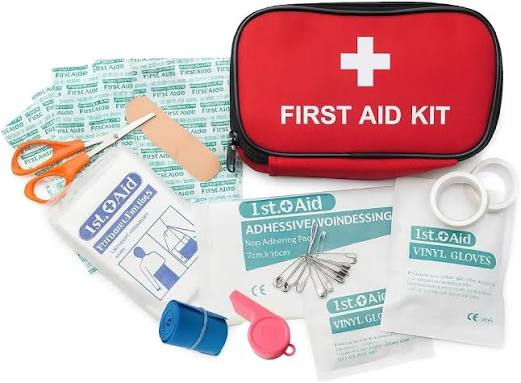
A solid urgent care kit starts with core wound care essentials: adhesive bandages in multiple sizes, sterile gauze pads and rolls, medical tape, antiseptic wipes or solution for cleaning wounds, and antibiotic ointment for minor cuts and scrapes, covering the most common minor injury scenarios a household is likely to encounter.
Tools Worth Including
Beyond basic wound coverings, a few tools genuinely earn their place in a home kit: tweezers for splinter removal, small scissors for cutting tape or clothing if needed, a digital thermometer, and disposable gloves to maintain hygiene while treating a wound, whether your own or someone else’s.
Medications Worth Keeping on Hand
A reasonable kit typically includes basic over-the-counter pain and fever reducers, antihistamines for allergic reactions, and anti-diarrheal medication, along with any household member’s specific prescribed emergency medications, like an epinephrine auto-injector for a known severe allergy, stored appropriately and checked regularly for expiration.
Supplies for More Significant Injuries
Beyond minor cuts and scrapes, a more complete kit includes an elastic bandage for sprains, a cold pack for reducing swelling, and a basic splint or triangular bandage for supporting an injured limb until professional care can be reached, covering a wider range of injury scenarios than basic wound care supplies alone.
Keeping the Kit Properly Organized and Accessible
A well-stocked kit only helps if it’s actually accessible and organized when needed. Keeping supplies in a clearly labeled container, stored somewhere accessible to all household members and easy to remember during a stressful moment, matters as much as what the kit actually contains.
Checking and Restocking Regularly
Medications and some supplies have expiration dates, and periodically checking the kit, at least twice yearly, replacing expired items and restocking anything used since the last check, ensures the kit remains genuinely ready when actually needed rather than missing key supplies at a critical moment.
Knowing the Limits of Home Care
A home urgent care kit is designed for managing minor injuries and providing initial care, not as a substitute for professional medical attention when an injury or symptom is serious, worsening, or uncertain. Knowing when a situation calls for urgent care, an emergency room, or calling emergency services, rather than attempting home treatment alone, remains an essential part of using any home kit responsibly.
Conclusion
A well-stocked, properly maintained home urgent care kit, covering wound care, basic tools, appropriate medications, and supplies for more significant injuries, provides genuine value for managing minor health issues confidently at home. Keeping it organized, accessible, and regularly checked for expired supplies ensures it’s actually ready when needed, while recognizing its limits ensures more serious situations still get appropriate professional care.
This article provides general information and is not medical advice. For serious injuries or medical emergencies, seek professional medical care immediately.